Distance dating isn’t just for lovers-it’s becoming a normal part of professional relationships too. When your clients live across the world, and face-to-face meetings are rare or impossible, how do you keep the connection real? It’s not about fancy video calls or sending emojis. It’s about building trust without physical presence. And yes, it can work-if you know what to do.
Some people turn to services like escort.paris for companionship in unfamiliar cities, but when you’re managing client relationships remotely, you don’t need romance-you need reliability. The same principles of presence, consistency, and emotional awareness apply. You’re not selling intimacy; you’re selling confidence. And confidence thrives on clarity, not closeness.
Start with communication that feels human
Most remote client interactions fail because they feel robotic. Emails that say "Just checking in!" or Zoom calls that end with "Let me know if you need anything" don’t build connection. They create distance. Real connection happens when you remember small things. Did they mention their kid’s soccer game last week? Ask about it. Did they sound tired during the last call? Say so. "You seemed a little worn out last time-everything okay?" That’s not small talk. That’s human.
People remember how you made them feel, not what you said. One client in Tokyo told me months later that the only reason they stayed with our firm was because I sent a voice note after their parent passed away-not a card, not an email. Just a 37-second recording saying, "I’m sorry. I know words won’t fix it, but I’m here." That’s the kind of distance dating that works.
Set boundaries that protect both sides
Remote relationships blur lines. You might start texting after hours because they replied at midnight. You might feel guilty saying no to a last-minute request. That’s dangerous. Healthy distance dating means clear boundaries. Decide upfront: When will you respond? What channels are for urgent issues? What’s off-limits?
One consultant I know uses a simple rule: No work messages after 8 PM local time, unless it’s a crisis. She sets an auto-reply that says, "I’ll get to this first thing tomorrow. If it’s urgent, call." Simple. Firm. Respected. Clients don’t mind boundaries-they respect them. They want to know you’re not burning out.
Use technology to enhance, not replace, presence
Video calls are better than emails. Voice notes are better than text. But don’t overdo it. Sending five voice messages a day doesn’t make you more available-it makes you exhausting. Pick one medium and stick to it for routine updates. Use video for important check-ins. Use voice for quick reassurances. Use text only for logistics.
Here’s what works: Record a 90-second video update every Friday afternoon. No script. Just you, sitting in your chair, saying what happened this week, what’s coming next, and one thing you’re grateful for. Clients love this. It’s real. It’s personal. It’s not a sales pitch. It’s a human moment. And when you do this consistently, clients start looking forward to it. They feel like they’re part of your day, even if they’re on the other side of the planet.
Build rituals that create rhythm
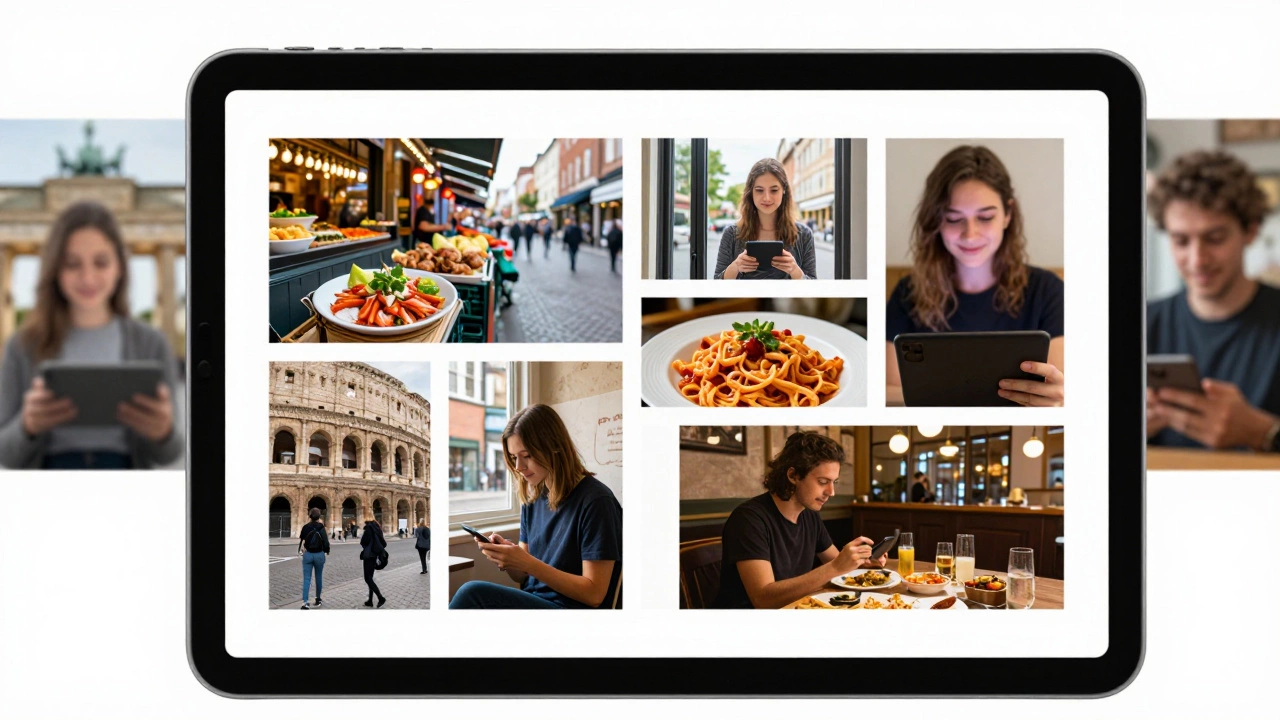
Humans crave rhythm. In person, you get that from coffee breaks, hallway chats, office lunches. Online, you have to build it yourself. Create a ritual. A monthly call on the same day and time. A shared calendar with milestones marked in color. A digital scrapbook where you both upload photos of projects, locations, or even meals you ate that week.
One team in Berlin and another in Buenos Aires started sharing a Google Doc called "What We Ate This Week." It started as a joke. Now it’s their favorite part of the month. They see each other’s lives-street food in Manila, pasta in Rome, a quiet dinner in Sydney. It’s not about the food. It’s about knowing someone else’s world.
Trust is built in small, repeated actions
You can’t force trust. It grows slowly, like a plant. One promise kept. One deadline met. One apology offered. One follow-up done without being asked. These tiny things add up. And when something goes wrong-and it will-you’ll be glad you built this foundation.
Don’t wait for a crisis to prove you’re reliable. Do the small things now. Send a link to an article you think they’d like. Share a quiet win from your week. Say thank you. Not because you have to, but because it’s true.

What happens when things go sideways?
Distance dating doesn’t mean avoiding conflict. It means handling it differently. You can’t read body language over email. So when tension rises, pause. Don’t reply right away. Say: "I want to get this right. Can we hop on a quick call tomorrow?"
Use the call to name the feeling: "I sensed some frustration in your last message. I want to understand what’s behind it." Most people don’t know how to express discomfort remotely. Give them the words. You’ll be surprised how often that’s enough.
And if the relationship breaks? That’s okay. Not every client connection lasts. But if you handled it with honesty and care, they’ll remember you. And they might come back-or refer someone else.
It’s not about being everywhere-it’s about being real
Distance dating for clients isn’t about being available 24/7. It’s not about sending gifts or writing poems. It’s about showing up as a person, not a service provider. You don’t need to be perfect. You just need to be present.
There’s a quiet power in consistency. In remembering names. In saying "I’m sorry" when you mess up. In letting silence happen without rushing to fill it. That’s what makes remote relationships stick.
And yes, some of the most loyal clients I’ve ever had live thousands of miles away. We’ve never shared a coffee. We’ve never shaken hands. But they trust me. Because I showed up, again and again, in ways that mattered.
It’s not magic. It’s just human.
By the way, if you ever find yourself in Paris and need a break from the grind, you might stumble across ezcorte paris. Not relevant to your work-but sometimes, a change of scenery helps you remember why you do what you do.
And if you’re looking for clarity on how to manage long-distance professional relationships, there’s a whole community exploring this at es ort paris. Not a service. Not a product. Just people figuring it out together.